


Infrared (IR) or Laser Beam Sensors
Creates an invisible beam wall along the perimeter; any interruption triggers an alarm.

Microwave & Radar Sensors
Detects movement within a designated field using Doppler effect or radio waves.

Fence-Mounted Vibration Sensors
Detects cutting, climbing, or tampering on the perimeter fence.

Buried Cable Sensors
Covert detection using pressure-sensitive or electromagnetic cable systems placed underground.

Video-Based Detection with AI Analytics
Uses CCTV integrated with AI to detect movement, human shapes, loitering, or object abandonment.

Thermal Cameras
Detects intrusions in low-light or zero-visibility environments using heat signatures.
Infrared (IR) or Laser
Beam Sensors
Creates an invisible beam wall along the perimeter; any interruption triggers an alarm.
Microwave & Radar
Sensors
Detects movement within a designated field using Doppler effect or radio waves.
Fence-Mounted
Vibration Sensors
Detects cutting, climbing, or tampering on the perimeter fence.
Buried Cable
Sensors
Covert detection using pressure-sensitive or electromagnetic cable systems placed underground.
Video-Based Detection with
AI Analytics
Uses CCTV integrated with AI to detect movement, human shapes, loitering, or object abandonment.
Thermal
Cameras
Detects intrusions in low-light or zero-visibility environments using heat signatures.

Airports & Seaports
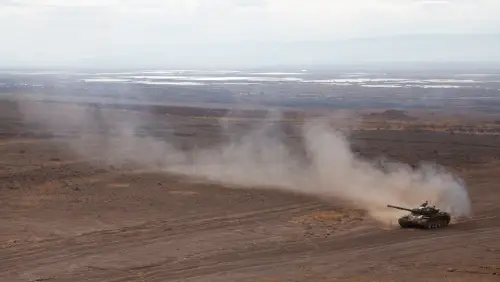
Defense & Military Sites
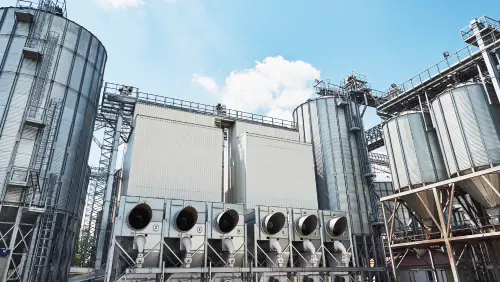
Industrial Plants & Refineries

Warehouses & Logistics Parks

Data Centers

Critical Infrastructure

Gated Communities & High-Value Residences
Airports & Seaports
Defense & Military Sites
Industrial Plants & Refineries
Warehouses & Logistics Parks
Data Centers
Critical Infrastructure
Gated Communities & High-Value Residences

Real-Time Intrusion Alerts
Immediate notifications to security personnel or control room.

Zoning & Area Mapping
Divide perimeter into zones for pinpointed alert locations.

Weather-Resistant Design
Built for outdoor use under harsh environmental conditions.

False Alarm Filtering
Intelligent detection minimizes false alarms from wind, animals, or weather.

Integration with Security Ecosystem
Connects with CCTV, access control, sirens, lights, and monitoring software.
Real-Time Intrusion
Alerts
Immediate notifications to security personnel or control room.
Zoning & Area
Mapping
Divide perimeter into zones for pinpointed alert locations.
Weather-Resistant
Design
Built for outdoor use under harsh environmental conditions.
False Alarm
Filtering
Intelligent detection minimizes false alarms from wind, animals, or weather.
Integration with
Security Ecosystem
Connects with CCTV, access control, sirens, lights, and monitoring software.

Early Threat Detection
Alerts before an intruder enters
restricted premises.

24/7 Automated Protection
Uninterrupted monitoring regardless of
human presence.

Reduced Security Costs
Automates perimeter patrol functions and
increases coverage.

Mr. Ashok Pote
We appreciate the professionalism and commitment of Sai Industries; working with them has been